
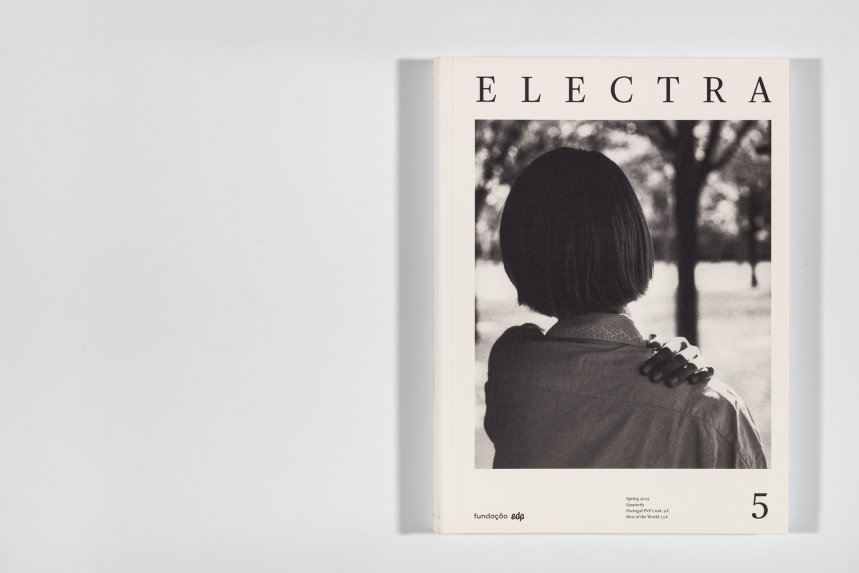
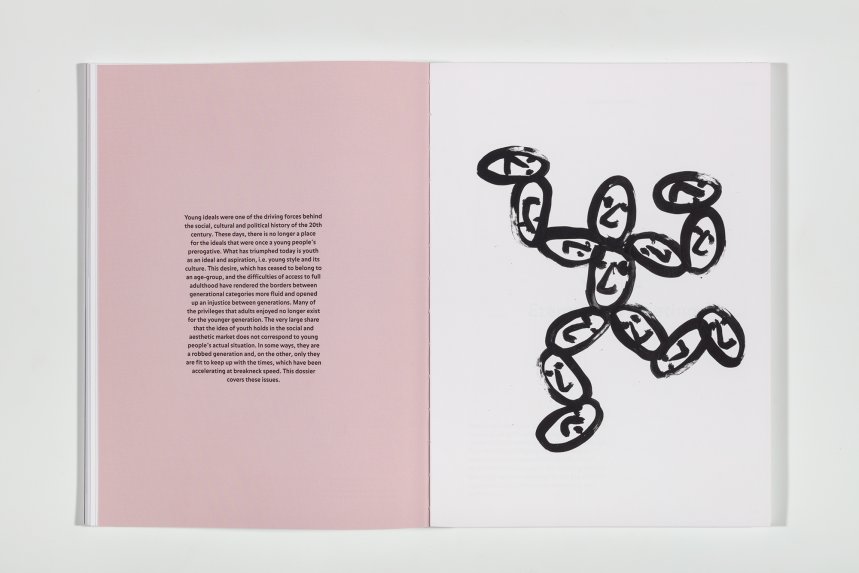

Youth – both in its eternal and ephemeral forms – is the central theme to the fifth issue of Electra magazine. At the start of this press file, we read that «the very large share that the idea of youth holds in the social and aesthetic market does not correspond to young people’s actual situation. In some ways, they are a robbed generation and, on the other, only they are fit to keep up with the times, which have been accelerated at breakneck speed.»
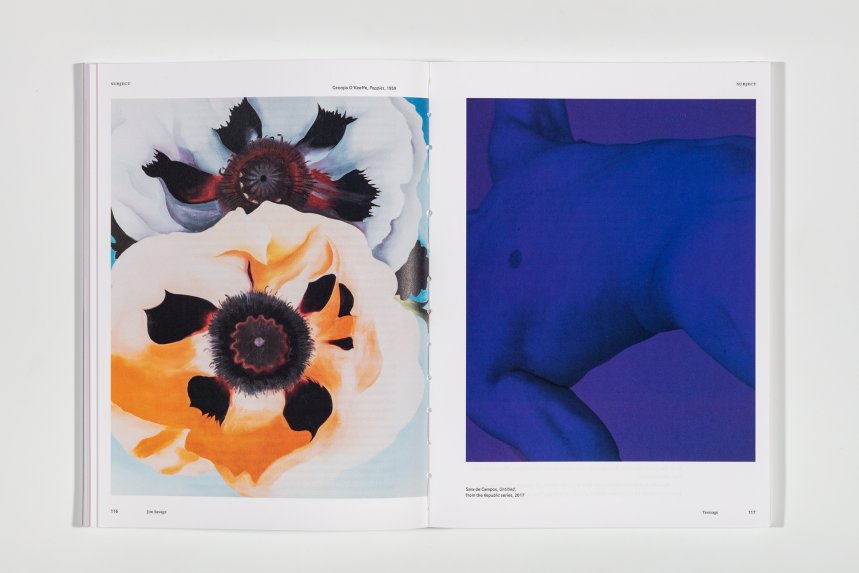
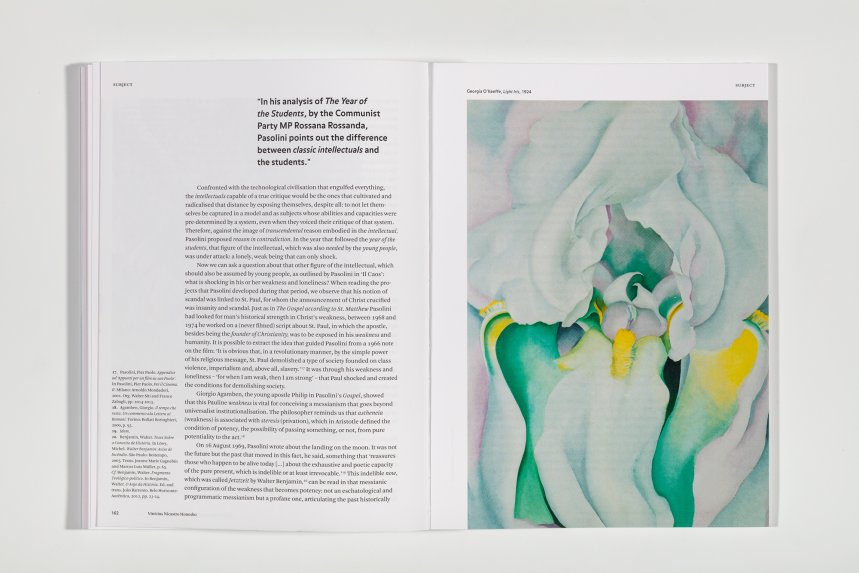
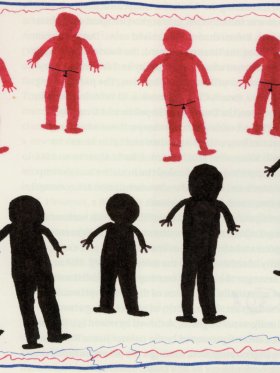
In this section, English writer and filmmaker Jon Savage describes the history of youth culture; poet and teacher Daniel Jonas writes, using two examples from cinematography, about his own experience of dealing with young people of school age; Italian philosopher Remo Bodei reflects on the generational fracture which defines our historical setting; professor Vinícius Nicastro Honesko writes about Pier Paolo Pasolini and his intellectual relationship with the young students who took part in the 1968 protests; editor António Pedro Marques tells of his experience as a young man living in “the last Lisbon suburb”; researcher and professor José Bragança de Miranda addresses the representation and mythology of youth and old age; teacher Matilde Castro Mendes recounts her relationship with her young students in a high school in the outskirts of Paris. Also, within the same subject, five young people (Pedro Florêncio, Madalena Fragoso, Flávio Gonçalves, André Martins, Maria José Sbrancia) talk about themselves and the world through their personal experiences.
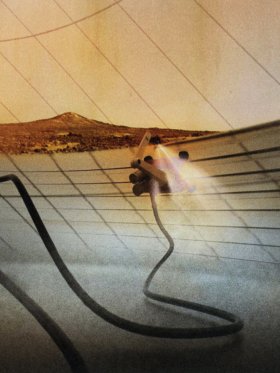
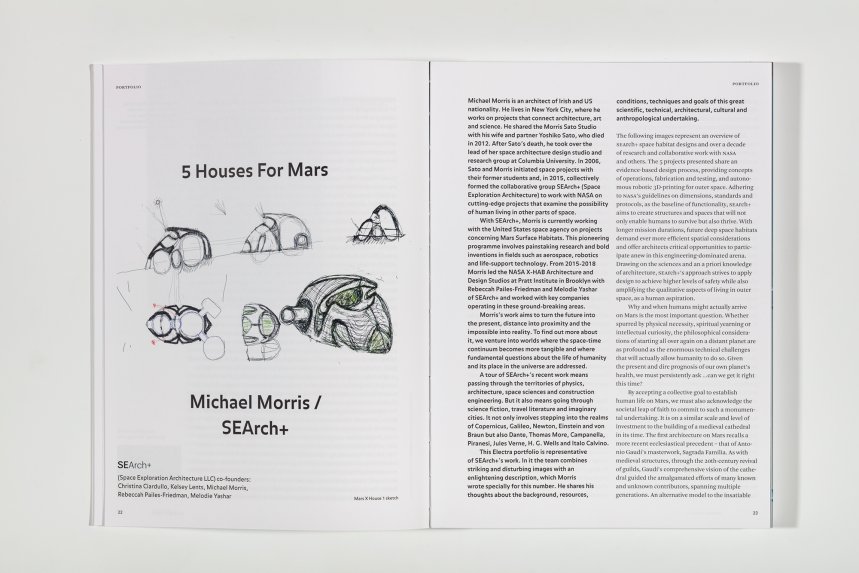
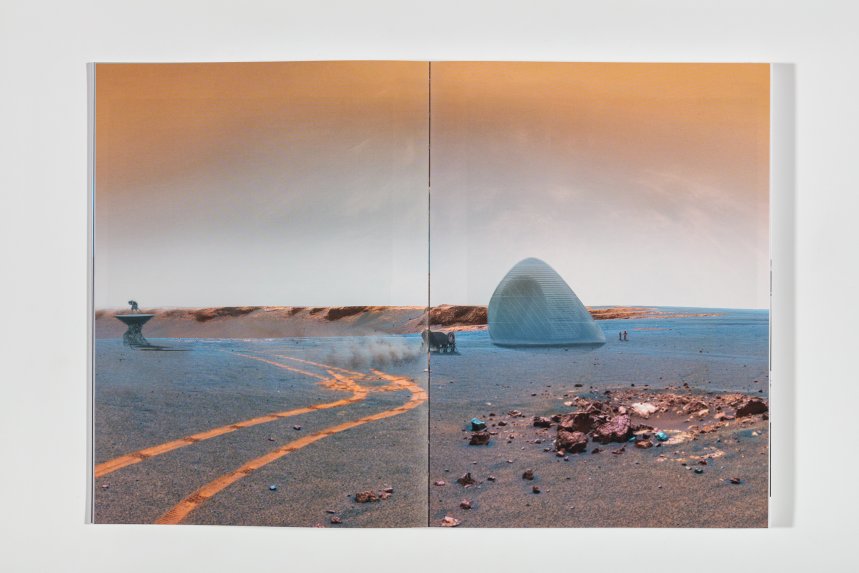
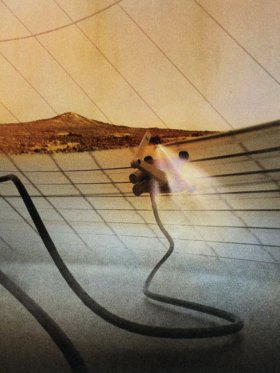
This issue’s portfolio is by architect Michael Morris and the SEArch+ studio. Bearing the title is 5 Houses for Mars, it gathers projects for space habitat developed in partnership with NASA throughout the last decade.
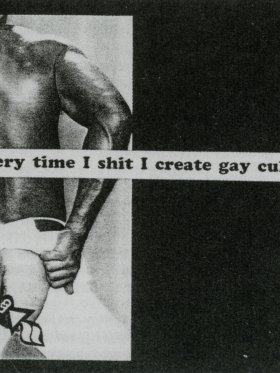
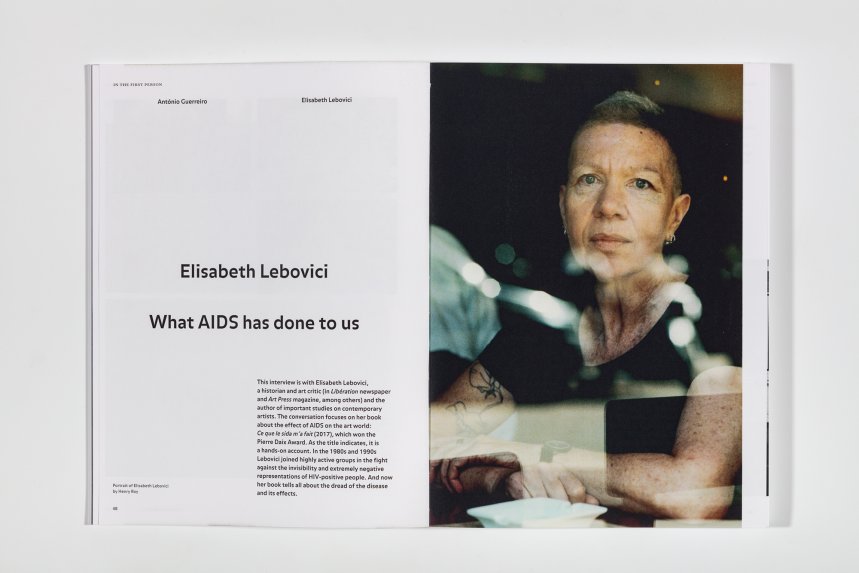
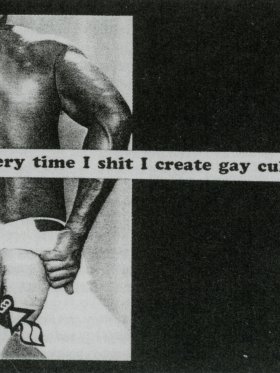
The interviewee is art historian and critic Elisabeth Lebovici. Author of important studies on contemporary artists and the book Ce que le sida m’a fait, which bears witness to the impact AIDS had on the art world and to the actions against the way in which institutions dealt with the illness, both central subject matters in this interview.
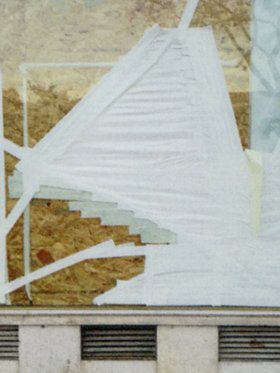
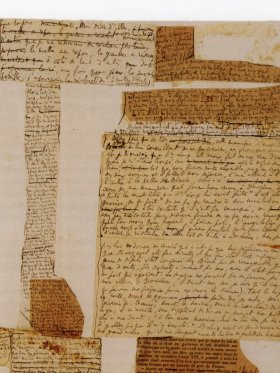
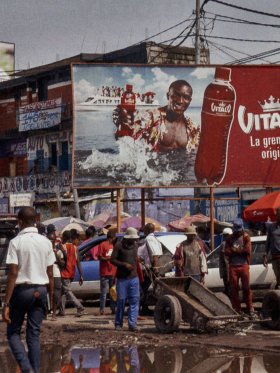
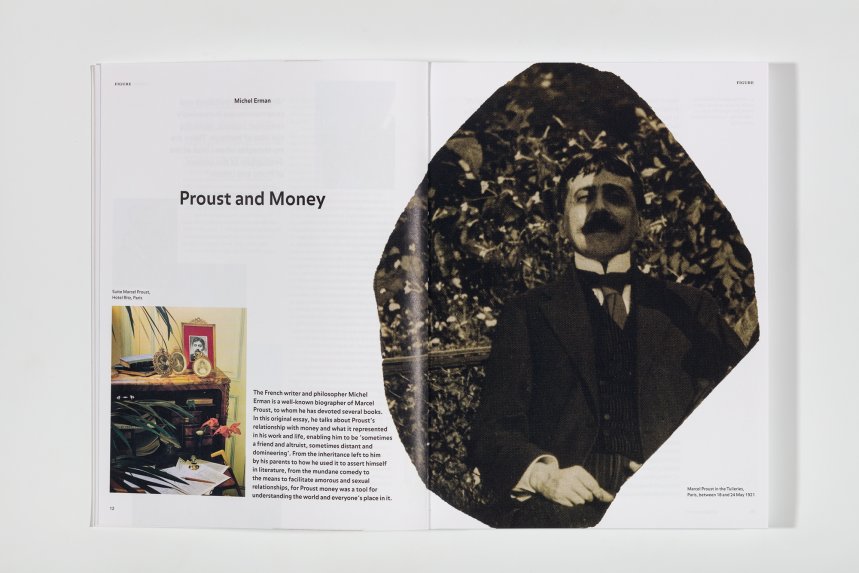
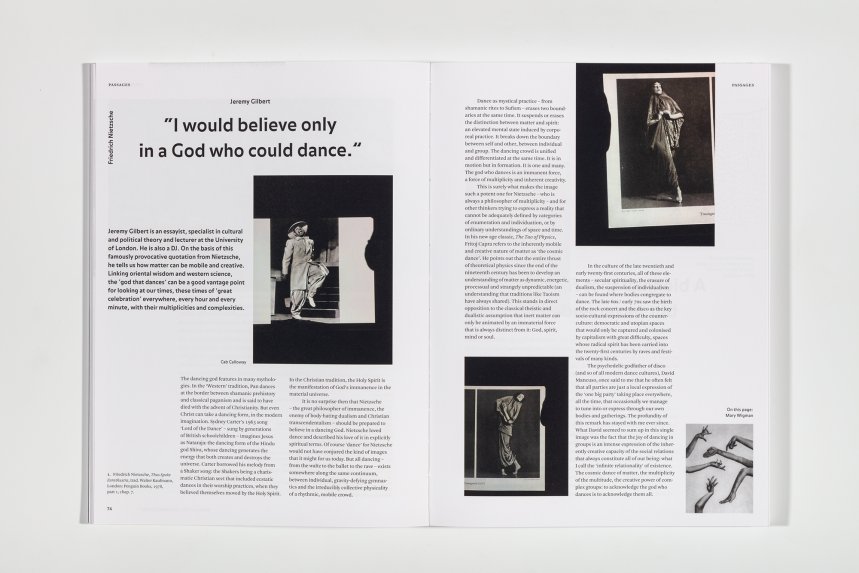
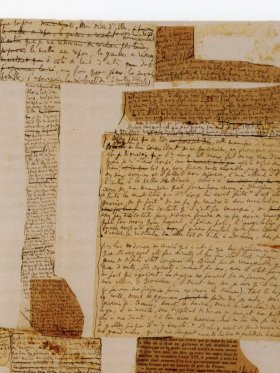
In the present edition, professor and essayist Jeremy Gilbert comments on a provocative quote by Friedrich Nietzsche; French writer and philosopher Michel Erman tells us about Marcel Proust’s relationship with money and what it represented in his life and work; architect and curator André Tavares addresses the rehabilitation and destruction work being carried out in the historical centers of Lisbon and Porto; curator and researcher Cristiana Tejo evokes and comments on the only edition of São Paulo’s Latin-American Art Biennale to ever take place, in 1978; Belgian anthropologist and curator Filip De Boeck describes the city of Kinshasa using two metaphorical elements: the hole and the mountain; and philosopher Yves Michaud writes about the word «concept».
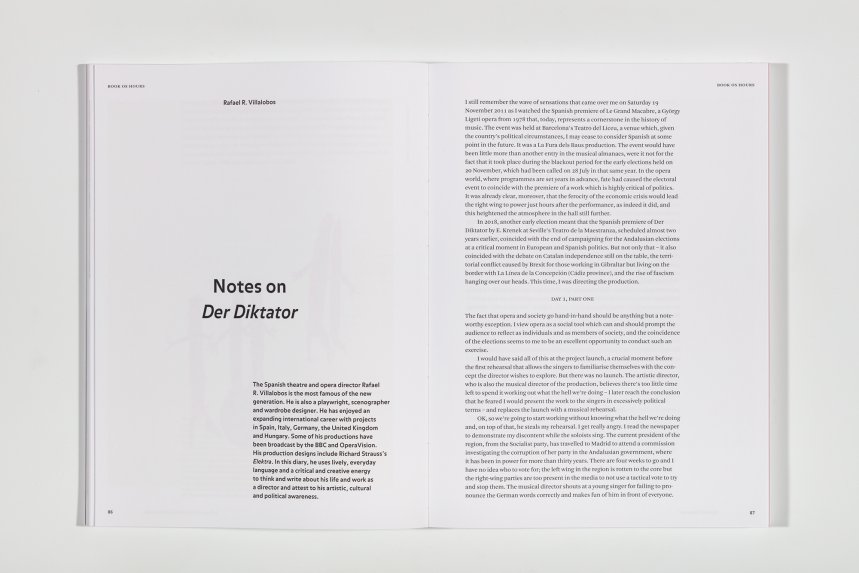
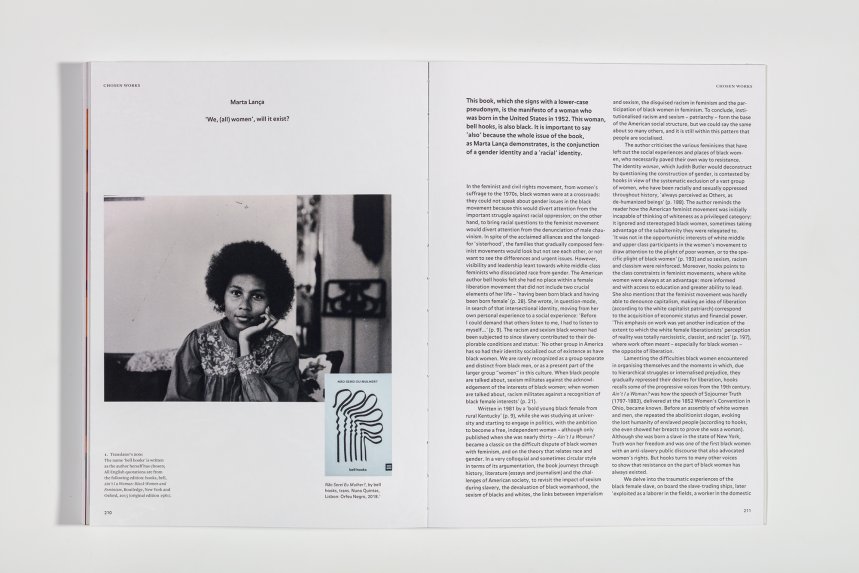
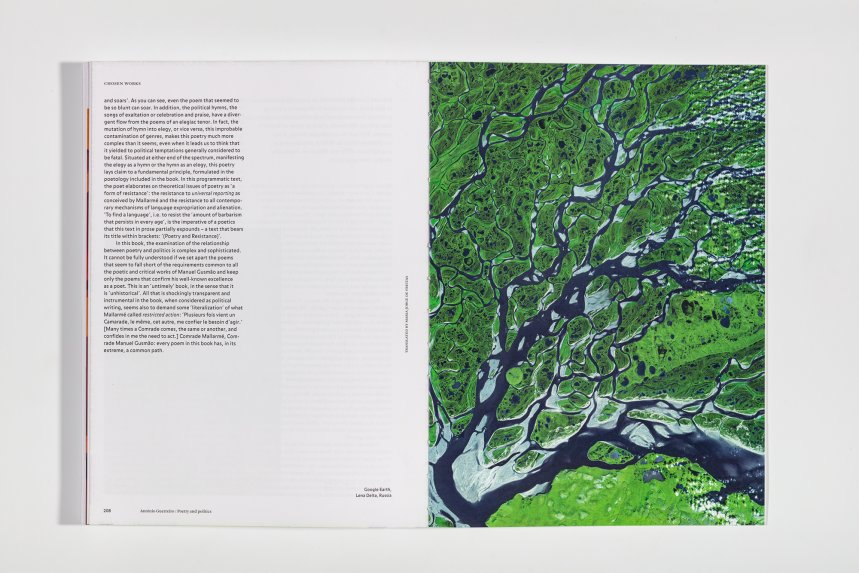
This fifth Electra edition also includes a journal by theatre and opera director Rafael R. Villalobos, where he reflects and writes about his life and work, asserting an artistic, cultural and political conscience. In the section «Chosen Works», António Guerreiro writes about the political side of Manuel Gusmão’s poetry, and Marta Lança addresses the question of gender and racial identity from the perspective of bell hooks’s book, Ain’t I a Woman?