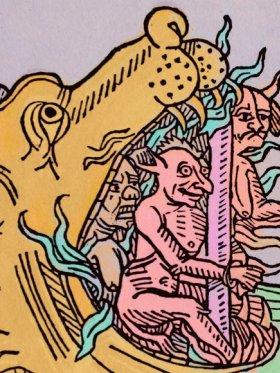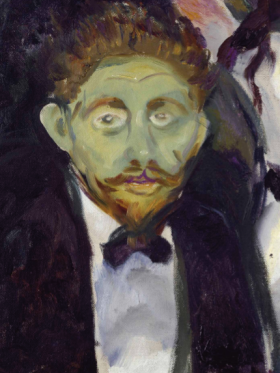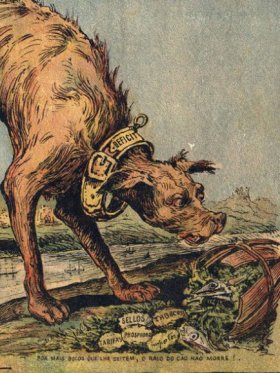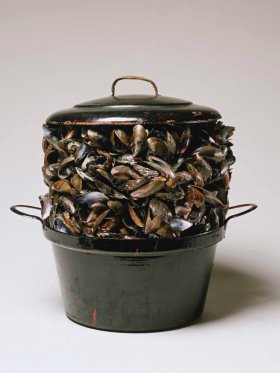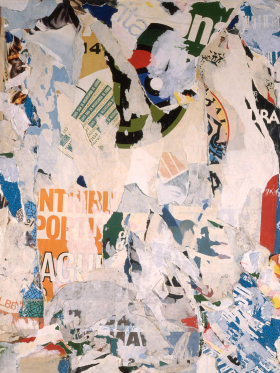

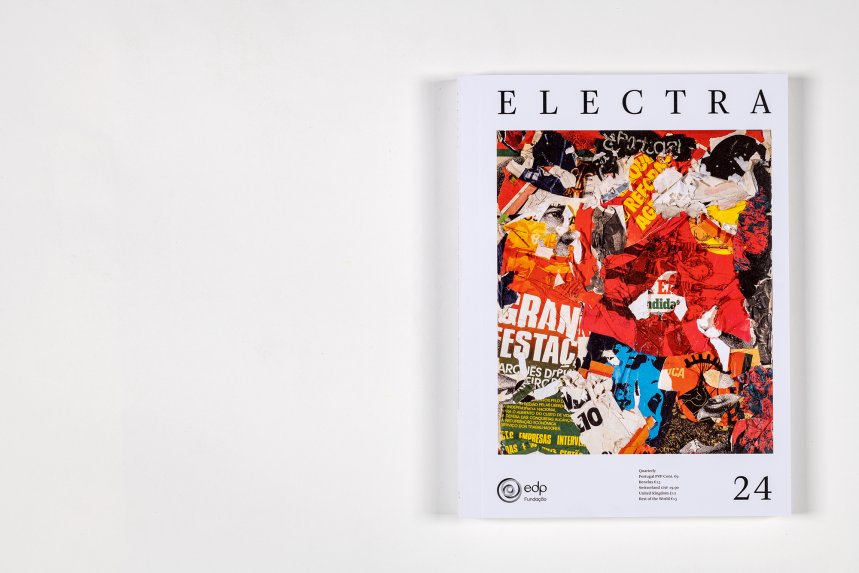
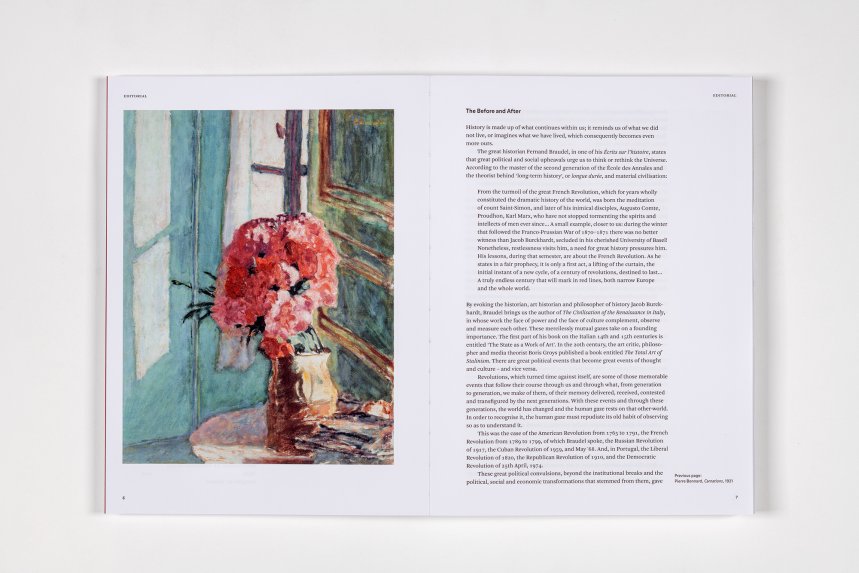
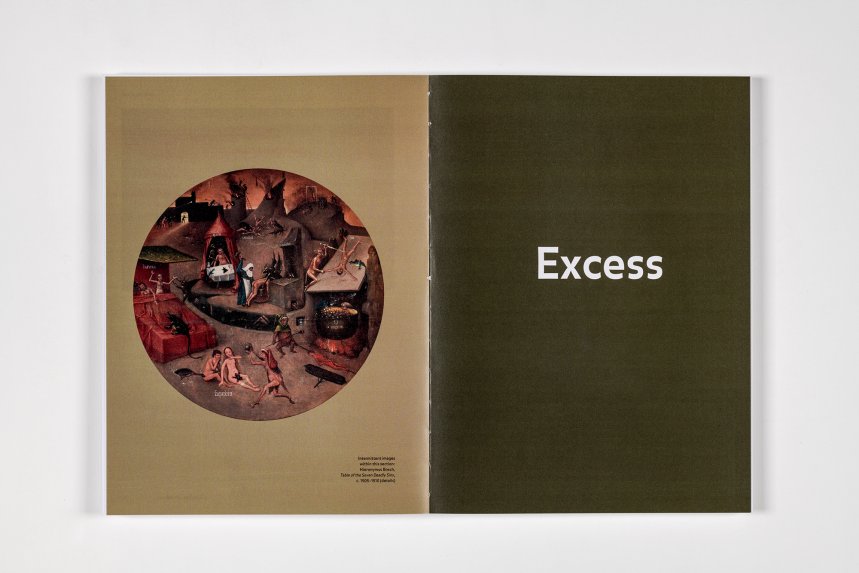
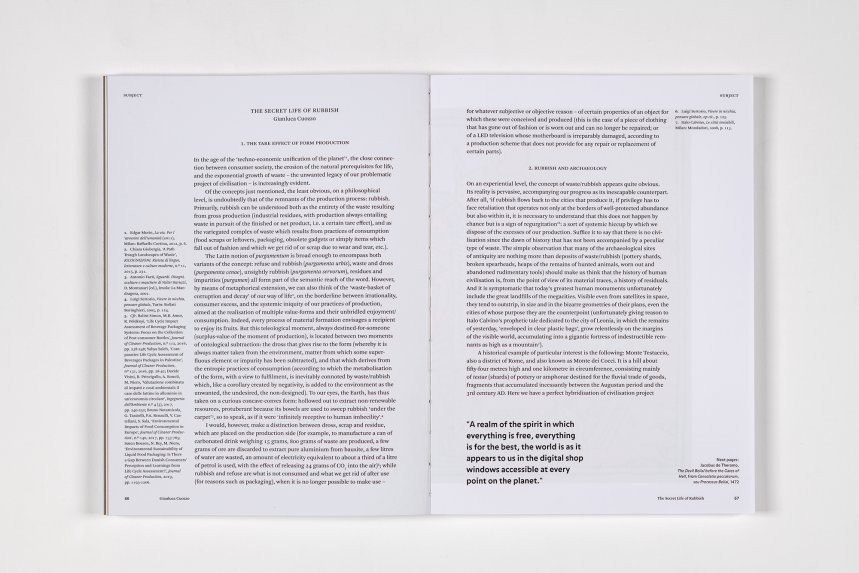
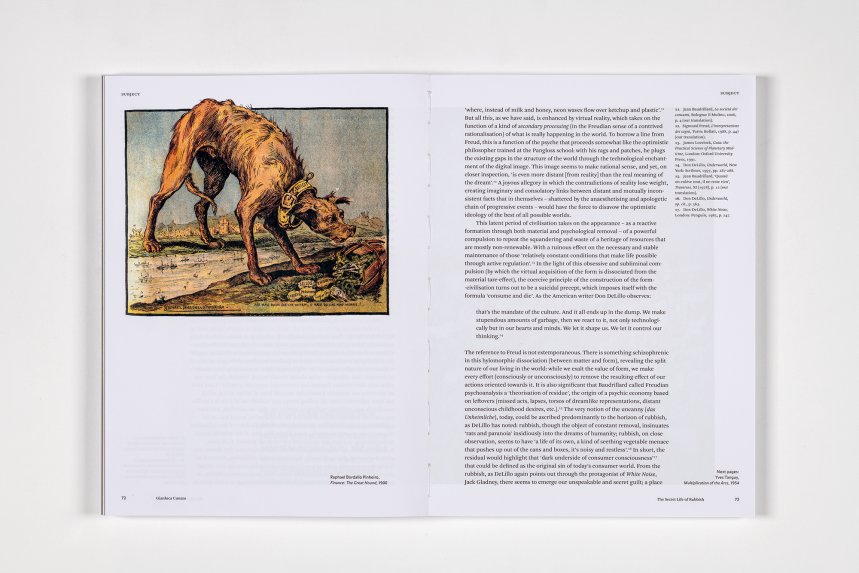
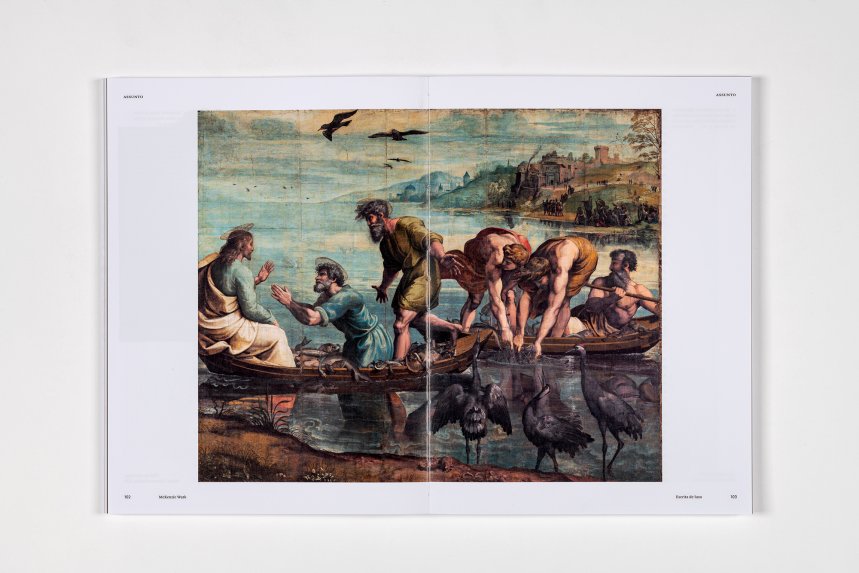
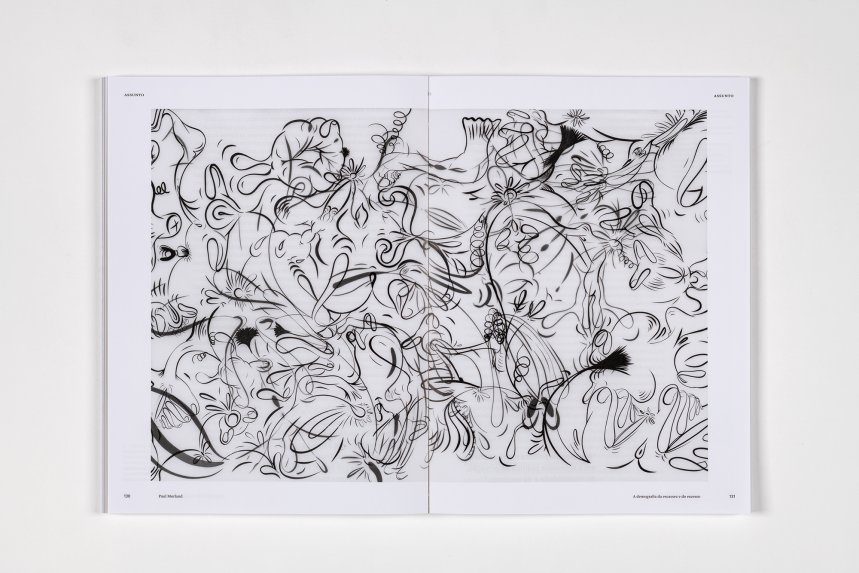
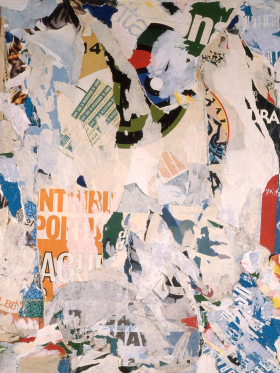
A law of excess rules the contemporary world in every domain. The products of consumer society, the financial logic, wealth and poverty, the phenomena of social and political life, the growth of cities, the circulation of people and goods, rubbish and waste: everything has abandoned its due measure and has been growing and proliferating unchecked. The notion of Excess, its manifestations and effects, is the theme of the central section of Electra 24, with essays by Gianluca Cuozzo, Christian Salmon, Maddalena Mazzocut-Mis, McKenzie Wark, Paul Morland and Laurent de Sutter.
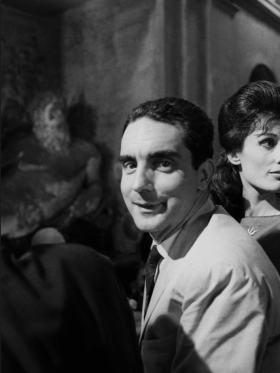
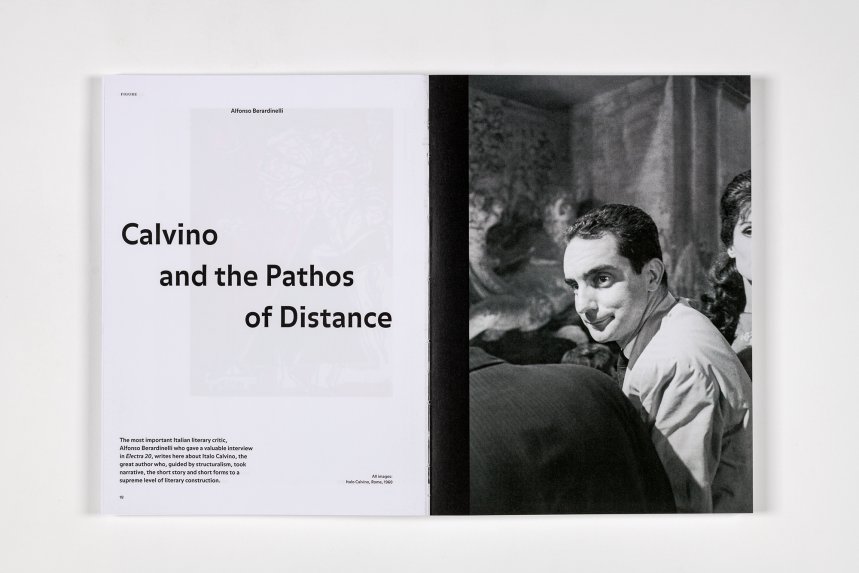
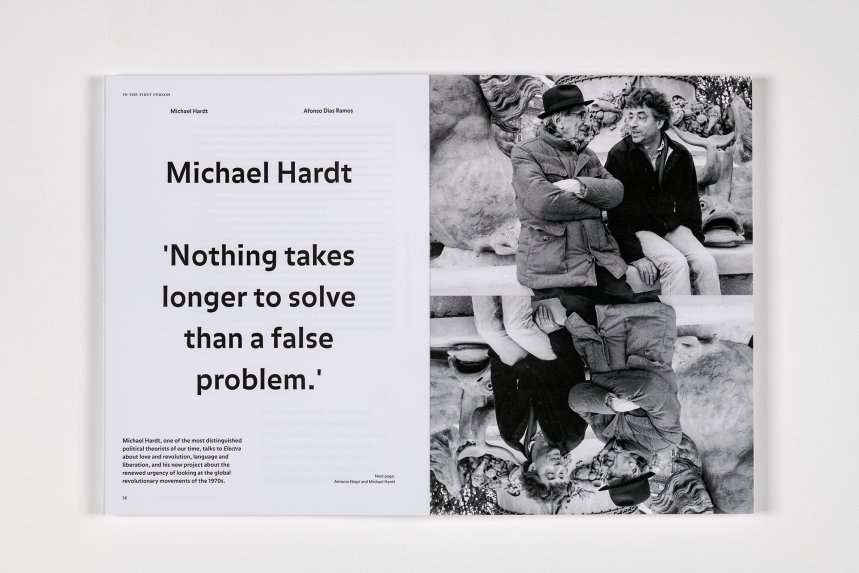
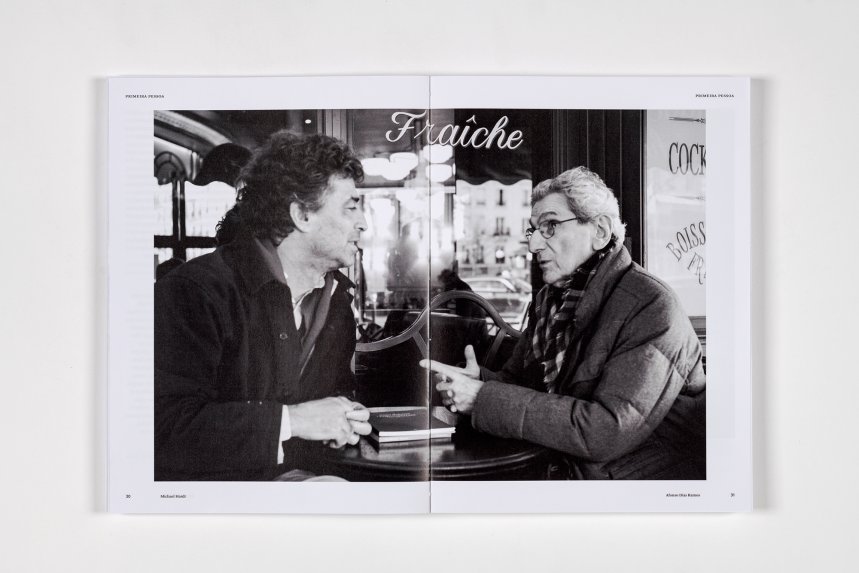
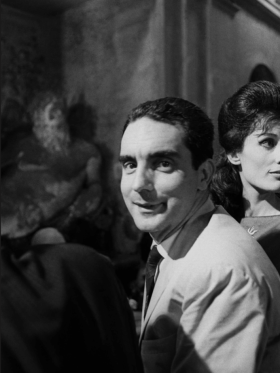
In this edition, the renowned Italian literary critic Alfonso Berardinelli writes about Italo Calvino, the great writer who took narrative, the short story and short forms to a supreme level of literary construction, and Michael Hardt, one of the most distinguished political theorists of our time, speaks to Electra about love and revolution, language and liberation, activism and prison, and his new project on the urgent need to take another look at the revolutionary movements of the 1970s.
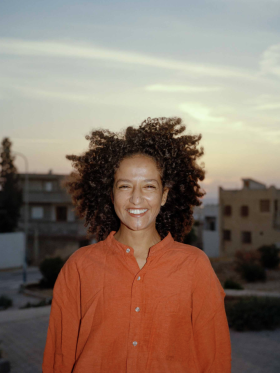
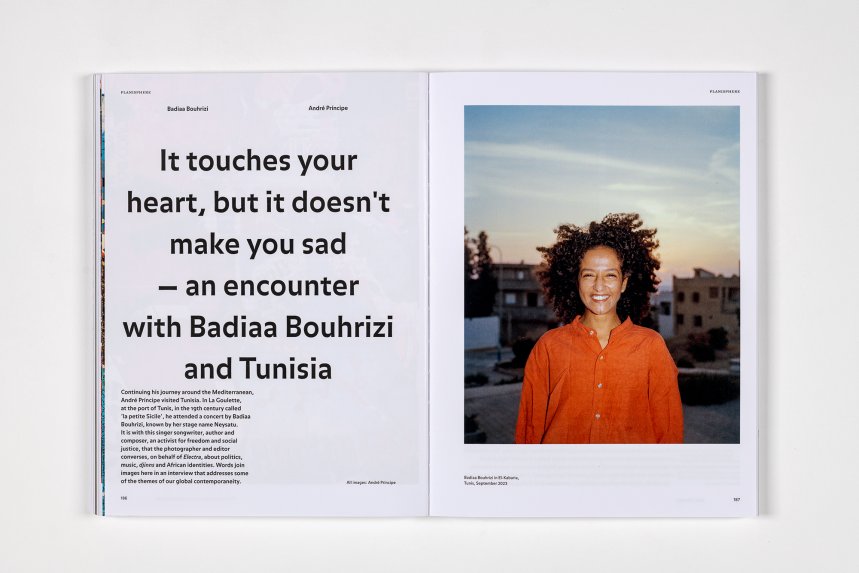
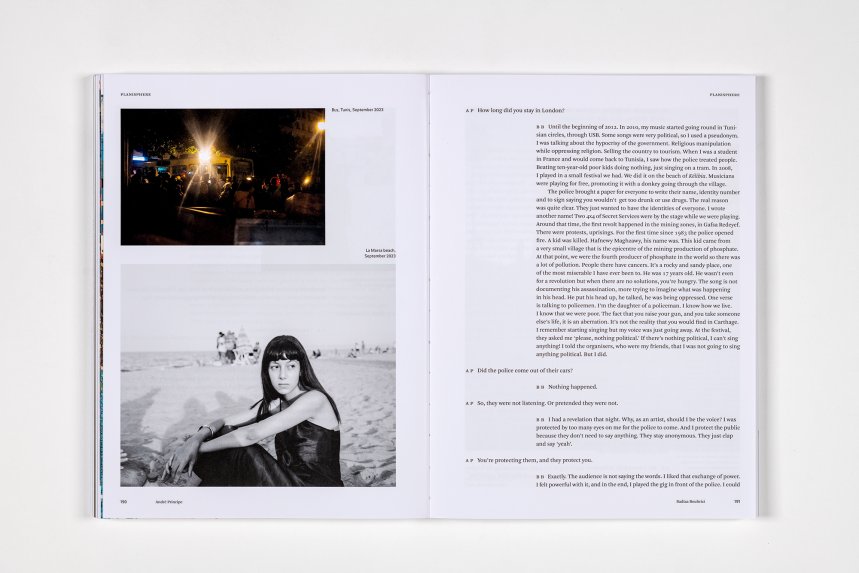
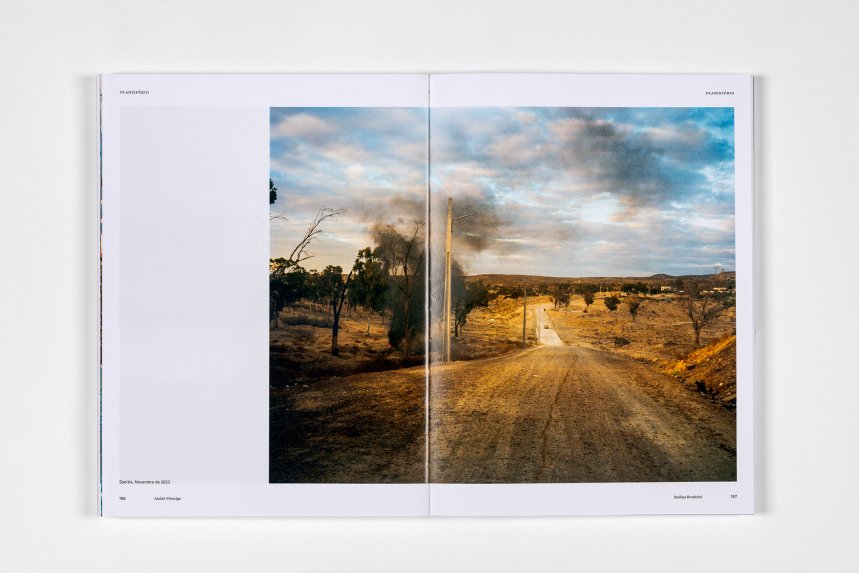
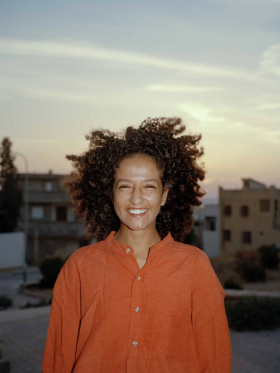
In the ‘Planisphere’ section, photographer André Príncipe travels to Tunisia, where he meets Badiaa Bouhrizi and engages the singer, author, composer and activist for freedom and social justice in a conversation on African politics, music and identities. The words of the interview are enhanced by images to form a visual essay.
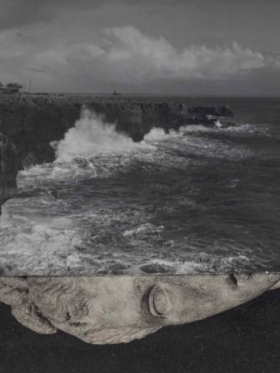
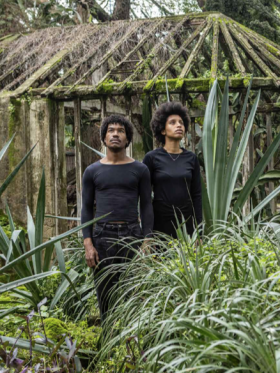
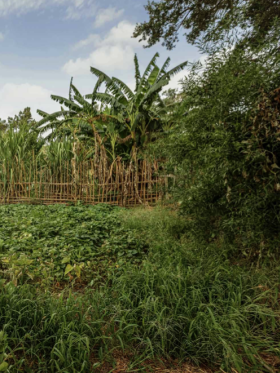
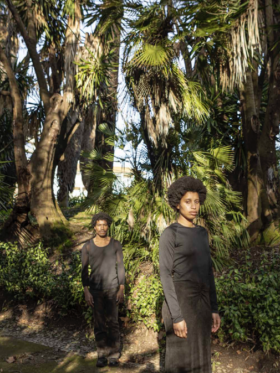
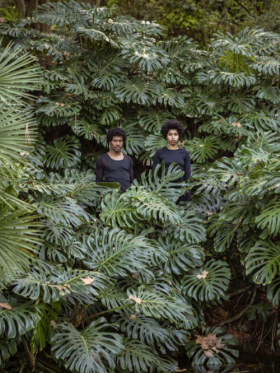
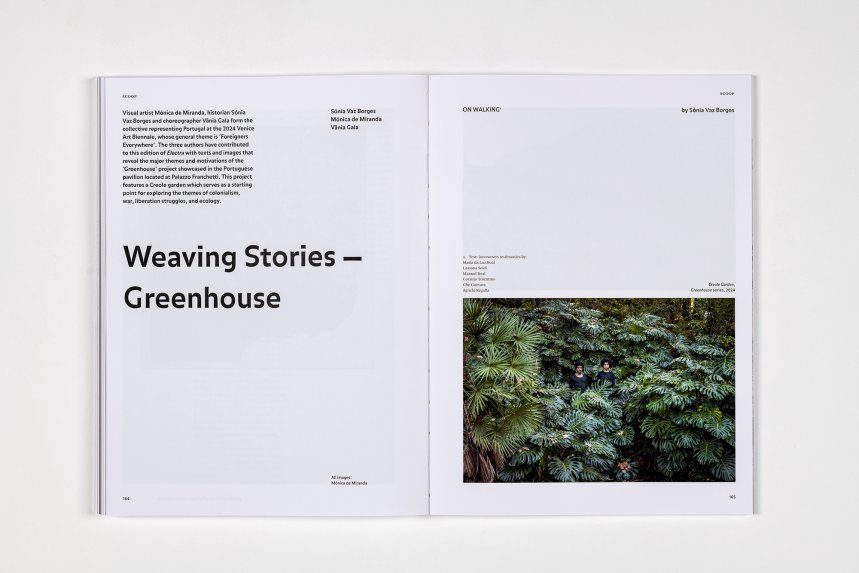
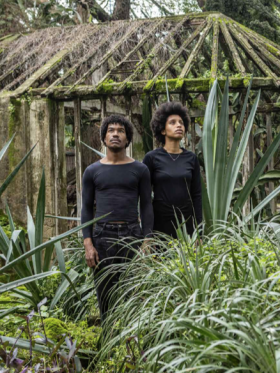
For Electra 24’s ‘Scoop’, visual artist Mónica de Miranda, historian Sónia Vaz Borges and choreographer Vânia Gala, who form the collective representing Portugal at the 2024 Venice Art Biennale, contributed a series of texts and images that reveal the major themes and motivations of the ‘Greenhouse’ project, a creole garden, through which they explore the themes of colonialism, war, liberation struggles and ecology.
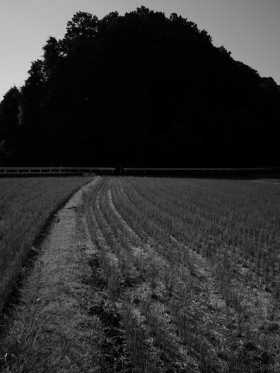
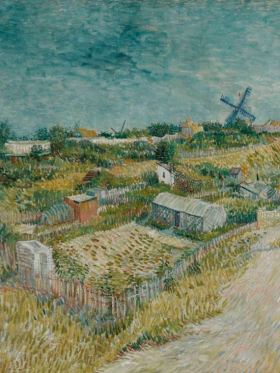
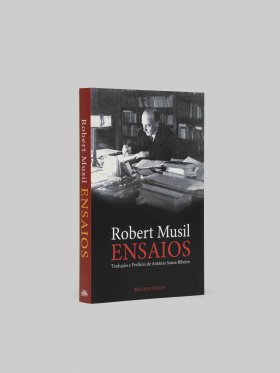
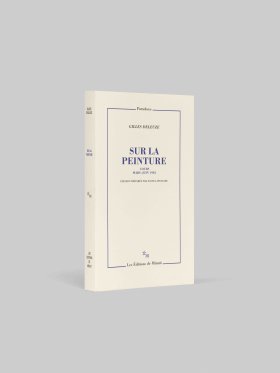
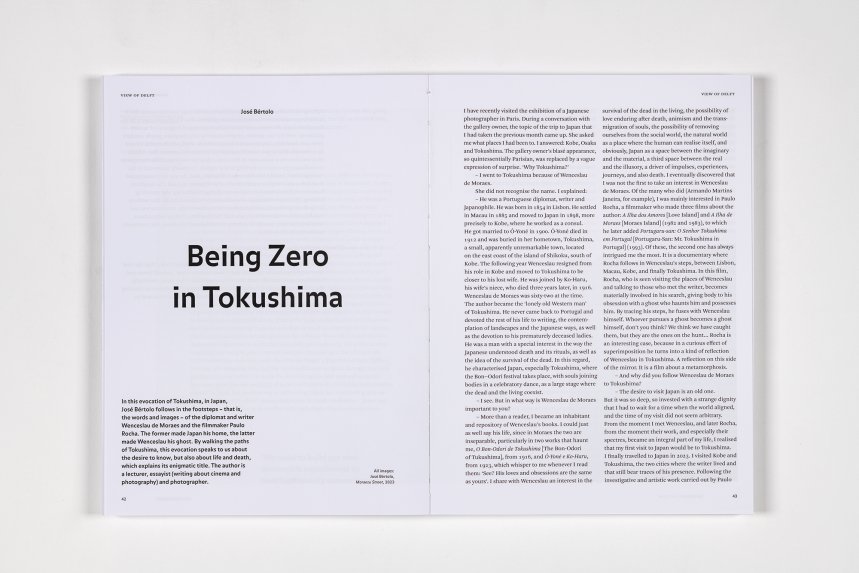
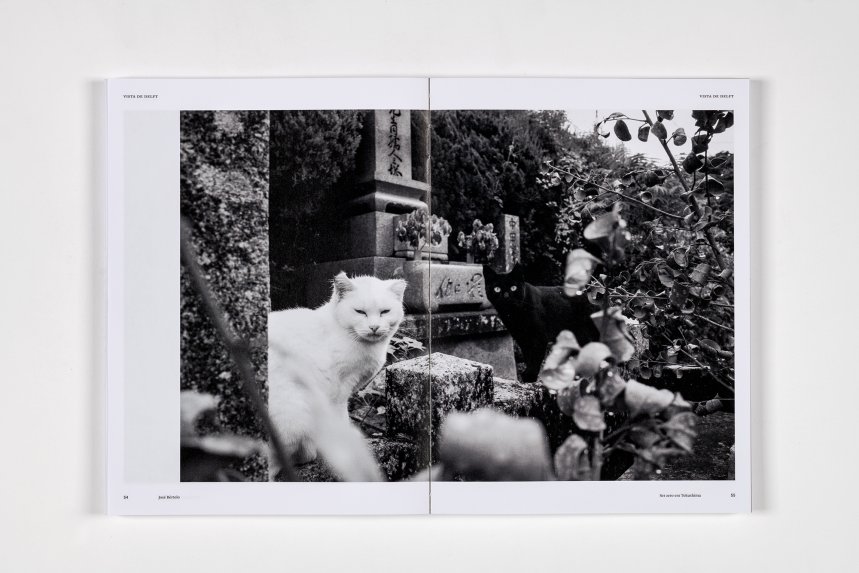
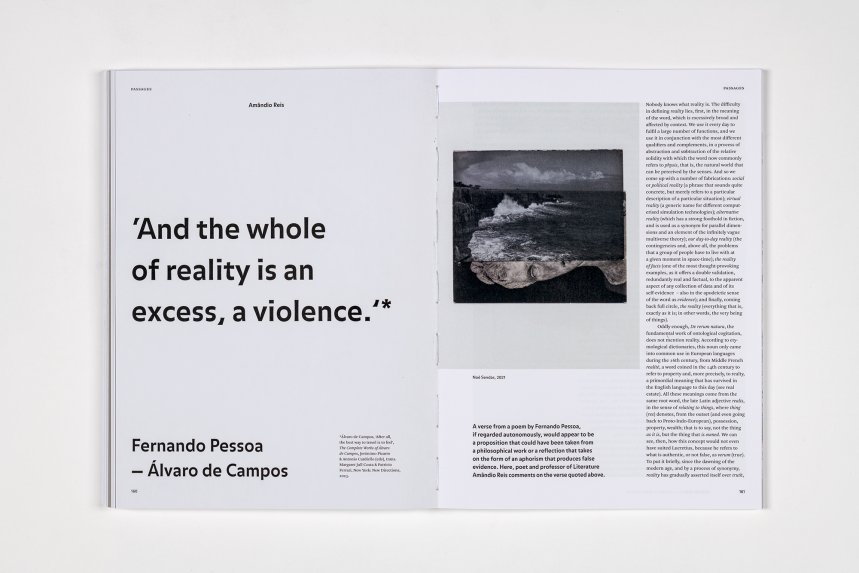
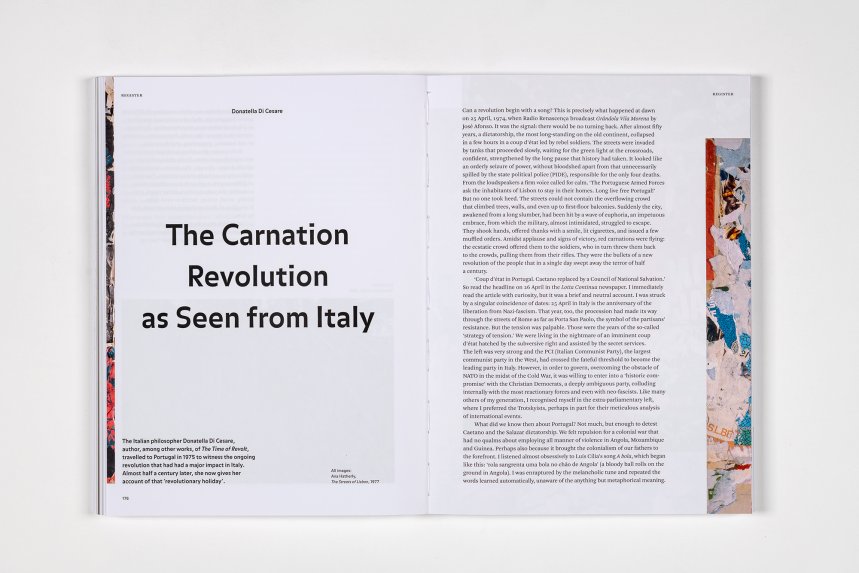
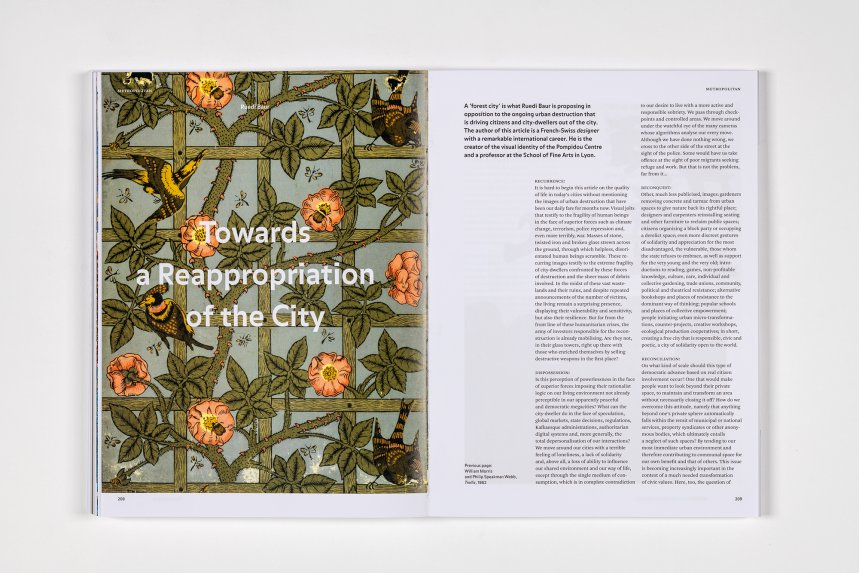
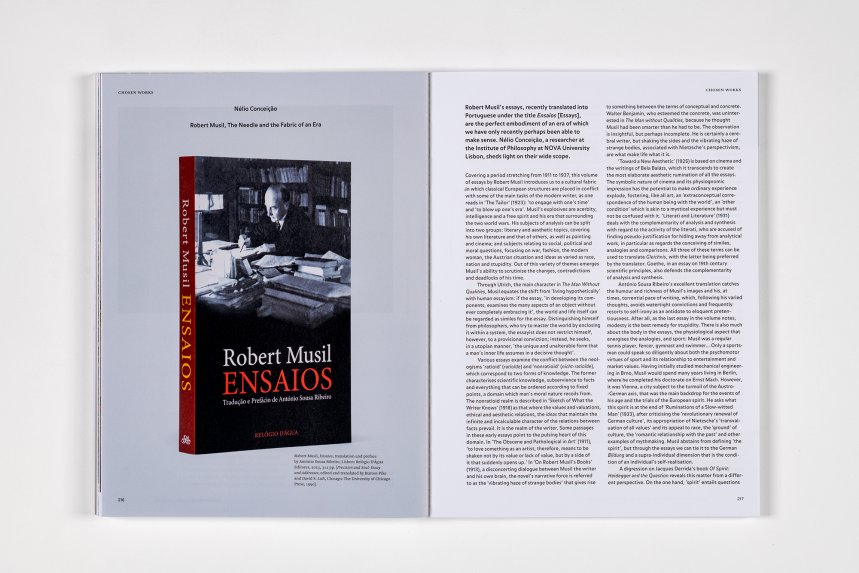
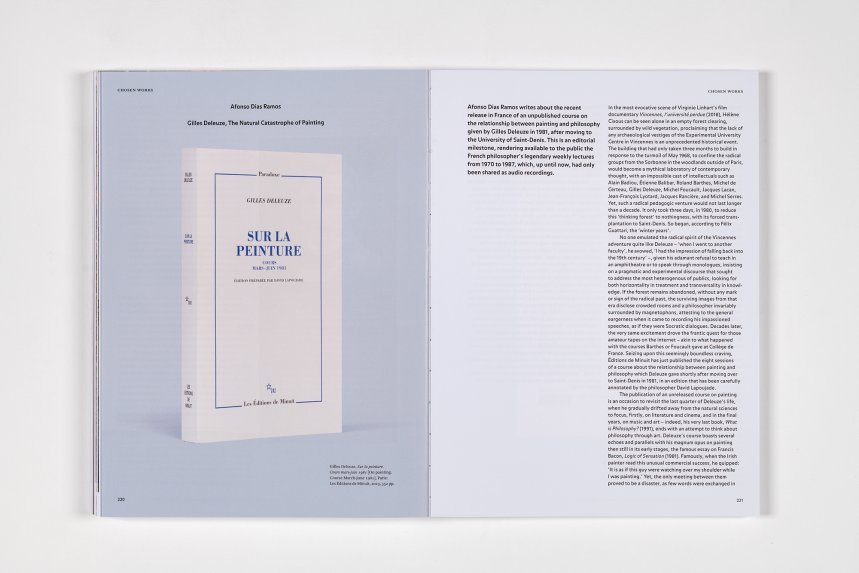
Also in this issue, Italian philosopher Donatella Di Cesare describes her visit to Portugal immediately after the Revolution of April 1974; designer Ruedi Baur proposes a ‘forest city’ in opposition to the ongoing urban destruction; Afonso Dias Ramos reviews the release, in France, of the unpublished course on the relationship between painting and philosophy given by Gilles Deleuze in 1981; Amândio Reis analyses a verse from a poem by Fernando Pessoa/Álvaro de Campos; essayist and photographer José Bértolo visits the Japanese city of Tokushima, following in the footsteps of diplomat and writer Wenceslau de Moraes and filmmaker Paulo Rocha; Nélio Conceição presents a reading of Ensaios [Essays] by Robert Musil; and Gonçalo M. Tavares writes about the word ‘Toxic’.